What Is the Best Teeth Whitening: Professional or Over-the-Counter
A brighter smile can make you feel more confident in photos, at work, and during everyday conversations. With so many whitening products available (from toothpaste and strips to professional in-office treatments), many people ask what is the best teeth whitening option.
It can be difficult to know which option is right for you. While over-the-counter products may seem convenient, professional teeth whitening offers significant advantages in terms of safety, effectiveness, and long-lasting results. Here’s a closer look at both options and why professional whitening is often the best investment in your smile.
Understanding What Causes Tooth Stains
Before choosing a whitening treatment, it helps to understand why teeth become discolored. Common causes include:
- Coffee, tea, red wine, and dark-colored foods
- Tobacco use
- Natural aging
- Certain medications
- Poor oral hygiene
Some stains affect only the outer surface of the teeth, while others develop deeper within the tooth structure. The type and severity of discoloration can influence which whitening method will be most effective.
The Pros and Cons of Over-the-Counter Whitening
Drugstores offer a wide variety of whitening products, including whitening toothpaste, strips, gels, and rinses. These products are widely available and generally cost less than professional treatment.
For people with mild surface stains, over-the-counter products may provide gradual improvement over several weeks or months. However, they also have limitations.
Because they contain lower concentrations of whitening ingredients, results are typically less dramatic and take longer to appear. Whitening strips may not fit every smile evenly, leading to inconsistent results. Some products can also cause tooth sensitivity or gum irritation if they aren’t used properly.
While over-the-counter whitening can be a helpful option for maintaining your smile, it may not deliver the noticeable results many people hope for.
Why Professional Whitening Stands Out
Professional teeth whitening is customized to your unique smile and supervised by a dental professional. Before treatment begins, your dentist will examine your teeth and gums to ensure whitening is appropriate and to identify any issues that should be treated first.
Professional whitening offers several advantages:
- Faster, more noticeable results
- Stronger whitening ingredients are used safely
- Even whitening across your entire smile
- Reduced risk of gum irritation
- Personalized treatment based on your goals
Many patients see their teeth become several shades brighter after just one in-office appointment. If take-home whitening trays are recommended, they are custom-made to fit comfortably and distribute the whitening gel evenly for consistent results.
Safety Matters
One of the biggest benefits of professional whitening is safety. Tooth sensitivity and gum irritation are common concerns with whitening treatments. Still, your dental team can adjust the treatment to help minimize discomfort.
Professional supervision also helps prevent overuse, which can occur when people repeatedly use over-the-counter products in hopes of achieving faster results. Your dentist can recommend the safest whitening schedule while protecting your enamel and overall oral health.
Choosing the Best Option for Your Smile
If you’re looking for subtle improvements and have only minor staining, an over-the-counter product may be beneficial. However, if you want faster, brighter, longer-lasting results, professional teeth whitening is typically the better choice.
A dental evaluation can also determine whether whitening is the right solution. Some types of discoloration may require veneers, bonding, or other cosmetic treatments instead of whitening.
Brighten Your Smile with Confidence
If you’re wondering what is the best teeth whitening option for you, we’re here to help. Professional teeth whitening combines advanced technology, customized treatment, and expert care to help you achieve a noticeably brighter smile safely and efficiently. Whether you’re preparing for a special event or want to refresh your appearance, our dental team can recommend the whitening solution that best fits your needs. With professional guidance, you can enjoy beautiful, natural-looking results that help you smile with confidence.
Contact Us
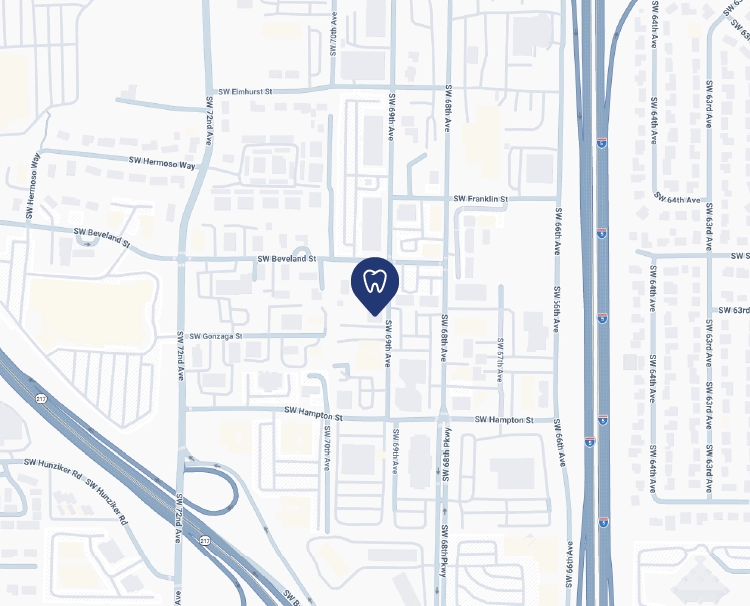
Visit Our Convenient Tigard Dental Office Near Southwest Portland, Lake Oswego, and Beaverton
If you’re looking for a dentist near southwest Portland, Lake Oswego, or Beaverton, Hayden Dental Care offers a convenient and welcoming dental office in Tigard that is easy to reach from many surrounding communities.
Our office is centrally located just off I-5 and Highway 217, making it simple for patients throughout the southwest Portland metro area to access quality dental care without a long drive.
Whether you live nearby or commute through the area daily, our location allows you to fit dental visits easily into your routine.
Easy to Find Near Costco and Lowe’s in Tigard
Hayden Dental Care is located near two well-known Tigard landmarks:
- Costco Wholesale
- Lowe’s Home Improvement
Because these stores are familiar destinations for many residents, patients often tell us that our office is easy to find and simple to remember.
Many people schedule appointments while running errands nearby or while already in the area for shopping and everyday activities.
Just Minutes from Portland Community College Sylvania
Our office is also conveniently located near the Portland Community College Sylvania campus.
This makes our practice an excellent option for:
- PCC students
- faculty and staff
- families living in nearby neighborhoods
Patients connected to the campus appreciate being able to schedule appointments before or after classes without traveling far.
A Central Location for Southwest Portland Communities
Hayden Dental Care serves patients from many nearby communities, including:
- Southwest Portland
- Lake Oswego
- Beaverton
- Tigard
- King City
- Tualatin
- Bull Mountain
Because our office is close to major travel routes like I-5 and Highway 217, many patients find it is only a short drive from home or work.
For people commuting between Portland’s west side and surrounding suburbs, our location makes dental visits convenient and accessible.
Comprehensive Dental Care Close to Home
At Hayden Dental Care, we provide a wide range of services to help patients maintain healthy and confident smiles, including:
- Preventative and family dentistry
- Cosmetic dentistry
- Dental implants
- Teeth whitening
- Crowns and restorations
Our goal is to provide high-quality care in a comfortable environment while remaining easily accessible for patients throughout the southwest Portland area.
Schedule a Visit at Our Tigard Dental Office
If you live in southwest Portland, Lake Oswego, or Beaverton and are looking for a dentist with a convenient central location, Hayden Dental Care is here to help. We welcome new patients and look forward to helping you maintain a healthy smile. Call our office at 503-968-9766 or schedule online to set up an appointment.
TMJ Disorders Are More Common Than You Think
Do you wake up with jaw pain, headaches, or facial soreness? Does your jaw click or pop when you open your mouth to eat or speak? If so, you might be one of the millions of Americans living with TMJ problems.
Patients are often surprised to learn that their seemingly unrelated symptoms are actually connected to problems with their temporomandibular joint. Understanding TMJ disorder is the first step toward finding relief from pain that might be affecting your daily life more than you realize.
What are TMJ disorders, and who do they affect?
The temporomandibular joint connects your lower jaw to your skull, acting like a sliding hinge that allows you to talk, chew, and yawn. TMJ disorders occur when this complex system of muscles, ligaments, and joints doesn’t function properly. These conditions affect people of all ages, but they’re most common in adults between 20 and 40 years old, with women being affected more often than men.
Many people live with TMJ symptoms for months or even years before seeking treatment, often because they don’t realize their various symptoms are connected to one underlying problem. The good news is that TMJ disorders are highly treatable when properly diagnosed and addressed with the right approach.
Recognizing the Wide Range of TMJ Symptoms
TMJ disorders can cause a surprising variety of symptoms that might seem unrelated at first glance. The most obvious signs include jaw pain or tenderness, especially when chewing or speaking. Many patients notice clicking, popping, or grinding sounds when opening or closing their mouths, and some experience their jaw getting stuck or locked in place.
However, TMJ symptoms often extend beyond the jaw itself. Frequent headaches, especially in the morning, are common among TMJ sufferers. You might experience earaches or a feeling of fullness in your ears, even though there’s nothing wrong with your hearing. Neck and shoulder pain are also frequent complaints, as the muscles in these areas work overtime to compensate for jaw dysfunction.
Some people with TMJ issues notice changes in their bite or the way their teeth fit together. You might find yourself clenching or grinding your teeth, especially at night, which can lead to worn, chipped, or sensitive teeth. Facial swelling and difficulty opening your mouth wide are other possible symptoms that shouldn’t be ignored.
Understanding What Causes TMJ Problems
TMJ disorders can develop from several different causes, and often multiple factors contribute to the problem. Stress is a major culprit, as it leads many people to clench their jaw muscles or grind their teeth without realizing it. This constant tension puts excessive strain on the temporomandibular joint.
Physical trauma to the jaw, head, or neck can also trigger TMJ problems. This might happen from a car accident, sports injury, or even a hard fall. Sometimes the symptoms don’t appear immediately after the injury, making it harder to connect the dots.
Bite problems and teeth misalignment can force your jaw to work harder than it should, eventually leading to TMJ dysfunction. Arthritis can affect the temporomandibular joint just like other joints in your body, causing inflammation and pain. Some people are simply born with structural abnormalities that make them more prone to developing TMJ disorders.
Certain habits can also contribute to TMJ problems. Chewing gum excessively, biting fingernails, or habitually chewing on pencils or ice can put extra stress on your jaw joints over time.
Advanced Treatment Options at Hayden Dental Care
We offer several effective treatments for TMJ disorders that are tailored to each patient’s specific needs and symptoms. Our approach begins with a thorough evaluation to determine the underlying causes of your TMJ problems.
One of our most effective treatments is a custom night guard, created from advanced digital impressions for a perfect fit. These specially designed guards help protect your teeth from grinding while repositioning your jaw to reduce strain on the temporomandibular joint. Unlike over-the-counter options, our custom guards are precisely calibrated to your bite and jaw position.
For patients whose TMJ symptoms stem from bite alignment issues, we offer orthodontic solutions, including Invisalign® aligners and clear ceramic braces. By properly aligning your teeth, we can often eliminate the underlying cause of TMJ dysfunction and provide long-term relief.
Preventing Future Problems
The key to successful TMJ disorder treatment is addressing both the symptoms and the underlying causes. Along with professional treatment, we often recommend lifestyle modifications such as stress management techniques, dietary changes to avoid hard or chewy foods, and exercises to strengthen and stretch the jaw muscles.
Many patients find that a combination of treatments works best for their situation. We work closely with each patient to develop a personalized treatment plan that fits their lifestyle and provides the most effective relief.
Don’t let TMJ pain control your life!
If you’re experiencing jaw pain, clicking sounds, or frequent headaches, don’t wait to seek help. To find relief, call Hayden Dental Care today at 503-968-9766 for a comprehensive TMJ evaluation. You can also schedule an appointment online.
Your Family Dentistry Guide for Kids and Parents
November 12, 2025
Scheduling a family dental visit shouldn’t feel stressful. With the right plan, your child can have a positive first experience and you can leave confident about everyone’s oral health. Whether it’s your little one’s debut appointment or a routine check for the whole crew, this step-by-step guide shows how to prepare, what happens in the chair, and how Hayden Dental Care makes visits smooth for busy Tigard families.
When Should Children Start?
Pediatric dental associations recommend a first visit by age one or within six months of the first tooth. Early, friendly visits help kids get comfortable at the dentist and allow us to catch small issues before they become big problems. Our family dentistry approach welcomes toddlers, teens, and adults under one roof, streamlining scheduling and helping everyone stay on track.
How to Prep Your Child
- Use upbeat language—no scary words. “We’re going to count your teeth and meet our smile helpers.”
- Practice opening wide at home with a favorite stuffed animal.
- Schedule morning appointments when kids are well-rested.
- Bring comfort items: a blanket, small toy, or headphones.
What Happens at the First Visit
We start with a warm hello and a quick tour so your child feels at ease. Then we’ll do a gentle exam, cleaning (if appropriate for age), and take necessary images. You’ll hear straightforward explanations and clear next steps. If fluoride or sealants are recommended, we’ll explain why and show you how they help prevent cavities.
Healthy Habits That Stick
Kids learn by imitation. We’ll demonstrate brushing and flossing techniques and help you choose age-appropriate tools. For picky eaters, we’ll offer snack swaps that reduce sugar exposure without sacrificing taste. Meanwhile, parents get practical tips for managing sports mouthguards, thumb sucking, and teething discomfort.
Why Consistency Matters
Twice-yearly cleanings and exams keep gum tissue healthy and give us many opportunities to reinforce good habits. We’ll track growth, tooth eruption, and early signs of crowding. If alignment concerns arise, we can discuss orthodontic options—sometimes simple space maintainers prevent bigger issues later.
Comfort for Anxious Kids (and Grown-ups)
Nervous smiles are welcome here. From warm blankets to noise-canceling headphones and a friendly, unhurried pace, our environment is built for comfort. If needed, see our sedation options for relieving dental anxiety and more ways we tailor visits to anxious patients.
Home Care: Make It Fun
- Try 2-minute music timers for brushing.
- Use a calendar sticker chart for streaks.
- Let kids pick their brush color and toothpaste flavor.
- Model flossing together after dinner.
Protecting Smiles During Sports
Custom mouthguards protect developing teeth and reduce concussion risk more effectively than the boil-and-bite options at your local pharmacy. If your child plays contact or high-speed sports, ask us about a guard that fits comfortably and encourages consistent wear.
Sugar, Snacks, and School Lunch
We won’t ask kids to give up every treat. Instead, we’ll teach “smart sweets” strategies: Pair sweets with meals, rinse with water after, and save sticky treats for occasional moments. For school days, pack crunchy fruits and veggies that naturally scrub teeth between classes.
When to Call Between Checkups
- Tooth pain or sensitivity that lasts more than a day
- Chipped or knocked-out tooth from sports or play
- Gum bleeding that doesn’t improve with better brushing
- Habit concerns, such as thumb sucking beyond age 4
Making Family Scheduling Easy
With early appointments starting at 7:00 a.m., we can see siblings back-to-back and keep your day moving. We’ll also coordinate with your work schedules and school calendars, and set friendly reminders so nobody misses a visit.
Long-Term Benefits You’ll Notice
- Fewer cavities and emergencies
- Healthier gums and fresher breath
- Confident smiles in school photos and activities
- Lower long-term dental costs through prevention
Your Family’s Next Step
Whether you’re bringing a toddler for a first “happy visit” or booking routine cleanings for the whole household, we’ll make it simple, cheerful, and informative. If your child needs orthodontic guidance, we’ll time it thoughtfully so treatment is efficient and comfortable.
Invisalign® vs. Braces: Which Is Right for Your Smile?
November 19, 2025
Thinking about straightening your teeth but not sure whether Invisalign or braces make more sense? You’re not alone. Many Tigard patients want a confident, healthy smile yet feel stuck choosing between two excellent orthodontic options. The good news is that both can deliver beautiful results; however, they suit different goals, lifestyles, and timelines. In this guide, you’ll learn how clear aligners and modern braces stack up on appearance, comfort, hygiene, treatment time, and cost—so you can make a decision you’ll feel great about every time you smile.
Appearance: Subtle vs. Noticeable
If you prefer a nearly invisible approach, Invisalign-style clear aligners often win. They’re transparent trays that fit snugly over your teeth, so most people won’t notice you’re in treatment. Meanwhile, today’s braces are much sleeker than the metal “train tracks” of the past. At Hayden Dental Care, clear ceramic braces blend with your teeth and are far less conspicuous than traditional metal brackets. If your job involves frequent public speaking or you’re camera-facing, aligners or ceramic brackets give you confidence without calling attention to your orthodontics.
Comfort & Everyday Life
Because aligners are smooth, plastic, and removable, many patients report excellent day-to-day comfort. You’ll switch to a new set every 1–2 weeks to keep making progress. Braces are always on, so you don’t have to remember to wear them, and they’re very effective for complex movements. Still, occasional adjustments can make teeth sore for a day or two. If you grind your teeth or play contact sports, your dentist may recommend a custom mouthguard either way to reduce the risk of breakage and protect your smile.
Oral Hygiene: Cleaning Made Easier
Aligners pop out for brushing and flossing, making hygiene feel familiar. With braces, you’ll use threaders or water flossers to maneuver around brackets and wires. It’s absolutely doable, and our team will show you how. However, if you’ve struggled with gum inflammation or plaque in the past, aligners can simplify your routine. Regardless of the path you choose, pairing orthodontics with regular cleanings and exams helps keep gums healthy and prevents white spot lesions.
Diet & Eating
Because aligners come out for meals, you can keep your usual favorites—just brush and rinse before putting the trays back in. Braces require a few smart tweaks: skip sticky caramels, hard nuts, or crunching on ice to prevent bracket damage. Many patients adjust quickly by cutting crunchy foods into bite-sized pieces and choosing softer options during the first days after adjustments.
Predictability & Case Complexity
Both Invisalign and braces work exceptionally well, but case difficulty matters. Clear aligners excel for mild to moderate crowding, spacing, and relapse after childhood braces. Braces (including clear ceramic) can be more efficient for rotations, bite discrepancies, and complex tooth movements. The best way to know is with a thorough exam and digital scans. Because our team also offers cosmetic dental services such as veneers and bonding, we can craft a plan that balances alignment with smile aesthetics for the most natural look.
Treatment Time: What to Expect
Average treatment time ranges from 6–18 months for many aligner cases and 12–24 months for braces, depending on your situation and goals. Aligners require excellent compliance—typically 20–22 hours per day—to stay on schedule. Braces don’t rely on wear-time, but you’ll still need to attend progress visits so we can make precise adjustments and keep your timeline on track.
Invisalign vs. Braces: A Quick Comparison
- Visibility: Aligners are nearly invisible; ceramic braces are discreet.
- Comfort: Aligners are smooth and removable; braces work 24/7 but can cause short-term soreness after adjustments.
- Hygiene: Aligners remove for brushing/flossing; braces require special tools but are manageable.
- Diet: No food limits with aligners; braces need a few modifications.
- Complexity: Braces may be better for significant rotations/bite changes; aligners are excellent for many adult and teen cases.
- Compliance: Aligners require consistent wear; braces don’t rely on patient wear-time.
When Orthodontics Helps TMJ Disorder
Because bite harmony affects jaw joints, straightening teeth can sometimes reduce TMJ-related strain. If you clench or grind, pairing orthodontics with TMJ disorder treatment or a custom night guard may protect enamel and ease muscle tension. We’ll evaluate your joints, muscles, and bite before recommending a solution.
What Your First Visit Looks Like
You’ll meet our friendly team, have digital scans taken, and discuss what you’d like to change. We’ll map the path to your ideal result, show you estimated timelines, and talk through lifestyle fit. Because we offer early appointments starting at 7 a.m., it’s easy to get started without upending your schedule.
Smile Benefits You Can Expect
- Cleaner, easier-to-maintain teeth
- Improved bite function and comfort
- More confidence when speaking, smiling, and taking photos
- Potentially reduced chipping and uneven wear
Ready to compare your options?
We’ll help you weigh aesthetics, timeline, and comfort to choose orthodontics you’ll actually enjoy wearing. If you’re also considering whitening or a small cosmetic touch-up, we can sequence care for efficient, stunning results.
Emergency Dentistry: What to Do Before You Call for an Appointment
November 25, 2025
Dental emergencies never seem to happen at a convenient time. A cracked tooth at dinner, a swollen gum on a Sunday, a knocked-out tooth during a game—when minutes matter, simple steps can protect your smile (and your budget). Save this practical guide so you’ll know exactly what to do before you call, what to expect at our office, and how to prevent the most common emergencies.
Rule #1: Stay Calm, Act Quickly
First, breathe. Then follow the specific steps below based on the emergency you’re facing. Once you’ve taken immediate action, reach out. We’ll guide you and aim to see you as soon as possible.
Knocked-Out (Avulsed) Tooth
- Pick up the tooth by the crown, not the root.
- If dirty, gently rinse with milk or saline—no scrubbing.
- Try to reinsert into the socket and bite on clean gauze to hold it.
- If you can’t reinsert, store in milk or a tooth-preservation kit—not water.
- Call us immediately; the first hour is critical.
Severe Toothache or Swelling
Rinse with warm saltwater and take over-the-counter pain relief as directed. Apply a cold compress to reduce swelling. Do not apply aspirin directly to the gum—it can burn tissue. Call our office if pain persists or fever develops; infections can spread and need prompt attention.
Broken or Cracked Tooth
Rinse with warm water, save any fragments, and avoid chewing on that side. If you see bleeding, apply gentle pressure with gauze. A temporary dental cement from the pharmacy can protect sharp edges briefly, but you’ll still need an evaluation. Depending on the fracture, we may recommend a dental crown, bonding, or, in some cases, root canal therapy with a specialist.
Lost Filling or Crown
If a crown pops off, try to place it back over the tooth with a small amount of temporary dental cement—not superglue. Keep things clean and avoid sticky foods. We’ll check your bite and re-cement or discuss a replacement. For lost fillings, temporary material can help until we repair the tooth.
Bitten Tongue or Lip
Clean the area with mild water, apply pressure to stop bleeding, and use a cold compress for swelling. If bleeding is heavy or doesn’t stop within 10–15 minutes, seek urgent care or the ER.
When is the ER the right choice?
Head trauma, uncontrolled bleeding, fractures involving the jaw, or swelling that compromises breathing all require emergency medical care. Once stable, we’ll coordinate dental follow-up to restore function and comfort.
What to Expect at Our Office
We’ll assess your pain, take any necessary images, and get you comfortable fast. From fillings and crowns to implants, we provide many solutions in-house. If sedation would help you relax, see our sedation options for relieving dental anxiety. Early-morning appointments and a compassionate, efficient team make same- or next-day care easier.
Prevention: Your Best Emergency Plan
- Routine care: Twice-yearly cleanings and exams catch cracks, decay, and gum issues early.
- Night guards: If you grind, a custom guard prevents cracks and sensitivity.
- Sports guards: Custom mouthguards protect against chips and knocked-out teeth.
- Diet: Go easy on ice chewing and super-hard snacks. Cut foods into smaller bites.
Your Home Emergency Kit
- Dental floss, small tweezers, and gauze
- Temporary dental cement and orthodontic wax
- Pain reliever and a small cold pack
- Clean container with lid for a tooth or fragments
Frequently Asked Questions
Q. “Can I wait it out?”
A. If pain is severe, swelling is present, or something broke, waiting often makes things worse—and pricier. Call us.
Q. “What if it’s my child?”
A. The steps are similar. If a baby tooth is knocked out, do not reinsert. Call, and we’ll advise.
Q. “Will I need a root canal?”
A. Not always. Many cracked or painful teeth can be stabilized with a crown or filling. We’ll diagnose first, then explain options.
We’re here when you need us.
Dental trouble is stressful, but a simple plan turns panic into action. Save our number, follow the steps above, and we’ll take it from there.
Same-Day Smiles in Tigard, OR: What to Expect
December 17, 2025
Imagine walking into the dentist with missing or failing teeth and leaving the very same day with a secure, natural-looking smile. That’s the promise of a same-day smile—an approach that combines precise planning, dental implants, and a custom provisional bridge so you never go without teeth during healing. If you’ve postponed care because you fear a long, toothless stretch or a wobbly denture, this guide shows how immediate teeth work, what candidacy looks like, and how the day actually feels from start to finish.
Who Can Benefit
- Patients with many failing teeth who want a faster, more predictable transition
- Denture wearers frustrated by slipping plates or sore spots
- People seeking a fixed, confident smile with fewer surgeries
Every case starts with a detailed exam and 3-D imaging to ensure implants can be placed with strong initial stability. If a different timeline would be safer for your health, we’ll explain a staged plan that still gets you to a beautiful, functional outcome.
How Same-Day Smile Works
- Planning & Preview: We capture photos, digital scans, and a cone-beam 3-D image. Then we design your new smile—length, shade, and shape—so it complements your features.
- Surgery Day: Failing teeth are removed if needed, implants are placed, and a custom fixed provisional is attached before you head home. You’ll leave with secure teeth you can speak and smile with immediately.
- Healing Phase: Over the next few months, implants fuse to bone. You’ll follow a soft-food diet and a gentle hygiene routine while we monitor progress.
- Final Bridge: Once healing is complete, we craft and deliver a strong, lifelike final bridge—often zirconia—for long-term durability.
Comfort and Confidence, Built In
Our team focuses on a calm, streamlined visit. You’ll have clear expectations, comforting amenities, and sedation options if you’d like extra relaxation. Because the provisional is fixed, there’s no awkward slipping or clicking during conversations.
Eating, Speaking & Smiling After Surgery
You can speak and smile right away, which is a huge boost to your confidence. For the first weeks, plan soft, nutritious foods—soups, eggs, yogurt, and tender pasta. As your comfort grows, your diet expands under our guidance. Many patients are surprised by how quickly their speech feels natural with the new tooth positions.
Hygiene: Keeping Tissues Healthy
Daily care is simple but essential: brush gently along the bridge and gums, use floss threaders and a water flosser to sweep under the bridge, and rinse as instructed. At maintenance visits, we’ll check the bite, clean around implants, and make small adjustments that keep everything feeling easy.
Why the Provisional Phase Matters
Your temporary bridge isn’t just a placeholder—it’s a test drive. Together, we evaluate tooth length, smile line, and bite comfort in real life, then translate those insights into your final bridge. That’s how we create teeth that look natural on your face and feel intuitive when you chew and speak.
Comparing Options
Not sure whether same-day smile, All-on-4 dental implants, or implant-retained dentures are right for you? We’ll show you models, photos, and timelines side by side. The best choice depends on your health, bone levels, and preferences for fixed vs. removable teeth.
Frequently Asked Questions
Q. Will I be in pain?
A. Discomfort is typically manageable with medication and careful after-care. Our goal is a smooth experience with close follow-up.
Q. What if I grind my teeth?
A. We’ll factor that into design and often provide a protective night appliance once healing is complete.
Q. How long will my final bridge last?
A. With great home care and regular checkups, implant-supported bridges can last for many years.
Your Best Day to a New Smile
If you’ve felt stuck between failing teeth and a denture that doesn’t fit your life, a same-day smile offers a confident path forward. From preview to provisional to final, our team guides you through each phase with clarity, comfort, and craftsmanship.
Ready for a confident smile—fast? Call Hayden Dental Care at 503-968-9766 to schedule a consultation.
Overcoming Dental Anxiety: Sedation Options & Comfort Menu
December 27, 2025
If the thought of a dental visit makes your heart race, you are far from alone. Past experiences, sensitive teeth, or feeling out of control can turn routine care into a major hurdle. At Hayden Dental Care in Tigard, OR, we design visits that are calm, transparent, and paced around you. From gentle communication and noise-canceling headphones to proven sedation choices, this guide shows how we help anxious patients get the care they deserve without dread—and often with surprising ease.
Why Anxiety Happens
Dental fear isn’t a personal failing; it’s a protective response. Triggers include the sound of instruments, worry about pain, or fear of the unknown. Recognizing those triggers lets us build an environment that replaces uncertainty with control and comfort. Our first goal is always trust: clear explanations, unrushed appointments, and a care plan that respects your boundaries.
Our Comfort Menu
- Warm blankets and supportive neck pillows
- Headphones and favorite music or shows
- Numbing gel before numbing injections
- Slow, gentle techniques and frequent breaks
- Early appointments at 7 a.m. to fit your day
We also use modern anesthetics and technology that reduce vibration and chair time. Small upgrades add up to a calmer experience.
Sedation Options
Nitrous Oxide (Laughing Gas)
A light, breathable option that takes the edge off anxiety while keeping you awake and in control. It wears off quickly so you can drive yourself home. Many patients find nitrous ideal for cleanings after a long break or small procedures.
Oral Conscious Sedation
A prescribed pill taken before the visit helps you feel deeply relaxed and unbothered by sights and sounds. You’ll need a companion to drive you home, and you may remember little of the appointment. Oral sedation pairs well with longer visits or a series of treatments consolidated into one comfortable session.
IV Sedation (with a trusted partner)
For complex care or severe anxiety, we can coordinate IV sedation with a specialist so you’re in a twilight sleep while we work efficiently. You remain under safe monitoring the entire time. We’ll discuss whether this level is appropriate for your health and treatment goals.
Your First Anxiety-Aware Visit
- Conversation First: We start with a talk in plain language—no instruments in sight—so we understand your concerns.
- Customized Plan: Together, we choose comfort items and, if helpful, a sedation option.
- Gentle Exam: We move at your pace. You can pause any time with a simple hand signal.
- Clear Next Steps: We outline priorities, costs, and timelines in writing so you leave confident, not overwhelmed.
Frequently Asked Questions
Q. Will I feel pain?
A. Our goal is “comfortable and in control.” With great numbing and thoughtful pacing—plus sedation if you choose—patients are surprised by how easy visits feel.
Q. Is sedation safe?
A. We review your medical history, medications, and vital signs. The right level is chosen for your health and the procedure, with careful monitoring throughout.
Q. Can I do a lot in one visit?
A. Yes. Many anxious patients prefer fewer, longer appointments with sedation. We can combine fillings, crowns, or implants into a single, relaxed session whenever appropriate.
Home Strategies Between Visits
- Schedule morning appointments to minimize anticipatory stress.
- Practice calm nasal breathing: four seconds in, six seconds out.
- Bring a trusted friend or family member.
- Use headphones and a favorite playlist to mask unfamiliar sounds.
Rebuilding Trust, One Visit at a Time
We celebrate small wins—completing an exam, finishing a cleaning, fixing a bothersome tooth. Each success builds confidence, which makes the next step easier. Before long, many patients find themselves keeping routine checkups without fear and even looking forward to a healthier, brighter smile.
When Anxiety Has Kept You Away for Years
If you’re worried about the state of your teeth, please know we never judge. Our focus is solutions and comfort, not shame. We’ll meet you exactly where you are and create a plan that gets you back on track at a pace that feels manageable. Whether you need gentle deep cleanings, repairs, or a phased smile makeover, you’re in the right place.
Your Comfort, Your Choice
From short, low-pressure first visits to comprehensive sedation appointments, you’re in control. When you’re ready, we’re here—with kind people, modern options, and a calm environment that respects your needs.
You deserve calm, comfortable care. Call Hayden Dental Care at 503-968-9766 to book an appointment.
Treat Your Smile to the Right Candy
October 28, 2024
If you’re like most folks, you may be buried under a pretty big pile of candy in a few days. You and your family can and should enjoy some of it. But to avoid causing dental problems, you should treat your smile to the right candy.
Some candy can do some serious damage to your teeth, while other treats are pretty harmless. As this short video mentions, sticky candies like taffy, Airheads, and gummies are empty calories, with no nutritional value. Not only that, they cling to your teeth, which leaves you more vulnerable to cavities. You should also avoid any candies labeled “sour.” With very high concentrations of sugar and acid, they are especially hard on your tooth enamel.
So what can you eat? It’s fine to enjoy most chocolate treats. Since chocolate melts easily in your mouth, it washes away from your teeth before it can damage them. Another good choice is sugar-free gum—especially if it contains a cavity-fighting ingredient called xylitol.
To take good care of your smile, make the right dietary choices. Of course, you still need to brush and floss daily. And visit your dentist every six months for a cleaning and exam.
If you need to schedule an exam or other service in Tigard, OR, call Hayden Dental Care at 503-968-9766 today.
Smile-Boosting Stocking Stuffers for the Holidays
December 15, 2024
This holiday season, surprise your loved ones with smile-boosting stocking stuffers that promote better oral health. Thoughtful, practical, and fun, these gifts are perfect for all ages and inspire healthier habits all year long.
Toothbrushes That Add a Splash of Fun
Brighten brushing routines with a new toothbrush! Kids will adore brushes with playful designs, timers, or flashing lights that make brushing enjoyable. Adults may appreciate the benefits of an electric toothbrush, offering advanced cleaning options for a thorough, refreshing clean.
Flossing Tools for Effortless Care
Flossing doesn’t have to be a struggle. Compact floss dispensers, flavored floss, and reusable picks make this daily task easier and more enjoyable. These tools fit perfectly into stockings and support healthier gums and cleaner teeth.
Water Flossers for a Modern Upgrade
Water flossers are an excellent choice for anyone looking to elevate their oral care. These devices gently clean hard-to-reach areas between teeth and along the gumline, making them perfect for braces, dental implants, or sensitive gums. Compact models are convenient, innovative gifts that fit right into a stocking.
Smile-Friendly Treats and Extras
Replace sugary snacks with xylitol gum or sugar-free mints, which protect teeth while satisfying sweet cravings. Pair these with travel-sized toothpaste, decorative toothbrush holders, or mini dental kits for a well-rounded oral health gift.
Schedule Your Family’s Next Dental Visit!
This holiday season, bring the gift of healthy smiles to your loved ones with creative stocking stuffers. To ensure your family’s oral health stays on track, schedule a dental checkup at Hayden Dental Care today.
Together, we’ll help keep those smiles bright, confident, and healthy into the new year! Call us at 503-968-9766 for an appointment in Tigard, OR. You can also schedule online.